A cryptic mystery ensconced in a fairy tale fantasy world permeates Keiichi Hara’s (Colorful, Miss Hokusai) anime adaptation of Mizuki Tsujimura’s Lonely Castle in the Mirror, an enchanting tale about the ties of friendship that bind us together. A story centered on a group of outcast middle grade adolescents who, for various reasons, avoid going to school, find connection with each other in a fantastic world where they band together to unravel a mystery while discovering that they share more in common than they realize.
The story begins when Kokoro wakes up one morning with stomach pains that prevent her from attending school. She has been confined to her home for several weeks now after a bullying incident at school instigated by a gang of mean-spirited girls. The mirror in her bedroom emits a sparkling glow on this morning, casting a light that turns into a magical portal. Upon stepping through the mirror, she beholds a castle straight out of a fairy tale perched on a cliff surrounded by the sea. She is greeted by a young girl wearing a wolf mask who assigns a single task: Kokoro, along with six other students who have somehow also transported to this world, must find a secret room containing a key that will grant its finder a wish, but there is one caveat: This task must be completed by spring time, and they must leave the castle by five o’clock each day or else face a ferocious wolf that prowls about, stalking its prey with a voracious appetite.
Segmented into a series of months, each scenario unpacks the inner stories of each student: Timid Kokoro suffered from bullying classmates at school; headstrong Aki experienced molestation from her father; Masamune the gamer was taunted for his habitual lying; pushover Ureshino was teased for his failed attempts to win affection from girls, and so forth. Despite their imperfections however, these students learn to accept each other and their flaws. What shines are their back stories as they crystalize and sharpen into focus, highlighting deeper secrets that reveal they have more in common than they initially realized. But what unites them all and why can they not find each other in the real world? In this blend between fantasy and reality, the architectural aesthetics of the castle rooms contrast in tone and style with the tawdry mundaneness of their everyday lives, poignant moments unravel through unspoken silences, and an uplifting musical soundtrack reinforces the narrative action, propelling the story to its triumphant climax.
At the heart of Lonely Castle in the Mirror, themes of bullying, acceptance, isolation, trust, and friendship interlock like shifting pieces of a complex yet beautifully rendered mosaic, bridging the disparate lives of each character across time and space. A refuge for the harsh toils of school and life itself, this anime combines elements of magical whimsy, mystery, and fantasy that will appeal to middle grade viewers, illuminating the astonishing connections we hold and cherish within each other.
Lonely Castle in the Mirror Directed by Keiichi Hara GKIDS Films/Shout! Factory, 2023 Run time: 116 minutes minutes Stream this series
NFNT Age Recommendation: Teen (13-16) Creator Representation: Japanese, Character Representation: Japanese,
No Flying No Tights has been hard at work updating our Anime List for librarians. We’ve reviewed perennial favorites as well as trendy and popular titles. The idea is to review content so clubs and individuals can pick and choose what might be best for their interests and needs.
Something that must be mentioned before moving on is that who owns what can change at a moment’s notice. Although the streaming services we have listed here are among the most popular and widely used, it is important to note that once a series is on a particular streaming service, there is no guarantee it will stay there—this depends on the licensing agreement between the owners and the distributors.
We hope that librarians can use this list as a starting point for discussing what to screen and how to support their local anime clubs. It is of the utmost importance that librarians take care to follow all the steps necessary to legally screen or show anime in their institutions.
Common streaming services:
Crunchyroll is the best-known and has the largest selection of anime titles. Additionally, and perhaps most importantly, it is the only anime streaming site that we could find with a dedicated library outreach program. Qualified organizations can use this program to get premium access to Crunchyroll’s collection. As of the writing of this piece, the program is still active.
Kanopy and Hoopla are noteworthy since many public libraries offer these services to their patrons. Do not expect to find the newest and most popular titles here, but these services still have enjoyable and excellent titles for individual use.
Other non-library-related services include HiDive, Netflix, and Hulu.
To get screening permissions for items not on Crunchyroll, you’ll have to do a little digging:
Kanopy’s screening process at an event. Kanopy also has a tag that indicates if something can be used for screening purposes—look for the Public Performance Rights (PPR) in the video page description.
Distributors are the best starting point in getting information about licensing to screen.
Librarians: Please follow all the necessary steps to ensure that you are legally streaming anime in your institution.
We are also working hard to review and assess anime content, which might be unfamiliar or challenging for the uninitiated to navigate. Please let us know how else we can help!
Acro Trip
Directed byAyumu Kotake
Chizuko, a quiet girl, becomes a super fan of the local magical girl Berry Blossom after staying with her grandfather. It turns out the villain, Chroma, isn't actually that effective. But when Chizuko meets him it turns out they're both fans of Berry and he asks her to join his evil organization so he can keep fighting Berry and having fun. And so, Chizuko somehow ends up being a minion of the bad guy of the magical girl she adores.
Appeals to
Acro Trip falls into the smaller subset of magical girl anime that's a comedy but not quite a parody, but it'll pull in fans of parody series like Cute High Earth Defense Club or Magical Girl Ore. In general, it's a pretty accessible entry into magical girl series, since it's not as over the top cute as series like Pretty Cure, so anime fans that don't typically watch magical girl series could find this one fun.
Creator Identities
Japanese |
Main Character Identities:
Japanese |
Bocchi the Rock
Directed byKeichiro Saito
Hitori Gotoh (Bocchi) is uncomfortable and awkward around other people, but when she's alone in her room she's gotten pretty great at playing the guitar, even dreaming of someday being famous for her playing. When she finally gets the opportunity to join a band and maybe make some friends, at first she tries to say no and go back to dreaming alone, but her new bandmates help her experience the world she'd hoped for. There are some hijinks, some hard moments, and some unexpected lessons along the way for Bocchi and friends.
Appeals to
Bocchi the Rock is goofy and sometimes absurd, which makes it great for people that enjoyed series like Azumanga Daioh (though unlikely that anyone in a teen anime club will know this series, but members of an adult club will). It's also a clear hit for fans of K-On, and has some similar moods as My Deer Friend Nokotan.
Content Notes
Some curse words, depiction of an adult drinking alcohol
Creator Identities
Japanese |
Main Character Identities:
Japanese |
Cowboy Bebop
Directed byShinichiro Watanabe
Cowboy Bebop is a neo-noir space opera that follows the misadventures of a ragtag bunch of bounty hunters as they traverse the solar system, looking for their next paycheck. Get to know the Bebop and her crew of freeloaders: ex-cop Jet Black, charming lowlife Spike Spiegel, independent hustler Faye Valentine, and genius hacker Radical Edward as they fight, swindle, cheat, and confront their fears across the galaxy. Set against an amazing soundtrack.
Appeals to
Teens and up. Fans of heists-gone-wrong and comedic action (Hong Kong films were a huge influence for the fight scenes) are going to love this series. A darker, overarching plot exists in the background and advances ever further to the forefront as the series progresses.
Content Notes
Although largely comedic, there is blood and gun violence depicted. There are also a few instances of domestic abuse. The episodes Jupiter Jazz (Part 1) and Jupiter Jazz (Part 2) depict frontal nudity of a gender nonconforming person.
Creator Identities
Japanese |
Main Character Identities:
Gender Nonconforming |
Autistic Spectrum |
Dandadan
Directed byFūga Yamashiro
Delinquent Momo Ayase forges an unlikely partnership with her shy classmate Ken Takakura over obscure claims about ghosts, the occult, and aliens. They get a little more than they bargain for once their doubts turn out to be completely true - ghosts are real, aliens are real, and although neither are equipped to deal with that on their own, together they make a formidable team!
Appeals to
Young teens and up.
Content Notes
As of the time of writing this, DanDaDan is still being released. 8 is not necessarily the final count of episodes, just where the series is at currently.
Creator Identities
Japanese |
Main Character Identities:
Japanese |
Demon Slayer
Directed byHaruo Sotozaki
Tanjiro is a kind boy who sells charcoal to support his family. After his sister Nezuko is changed into a demon, Tanjiro joins the Demon Slayer Corps to seek vengeance against Muzan, the demon who transformed Nezuko, and seek a cure for her as well.
Appeals to
With its historical setting, fantastic action sequences, engaging cast, and strong balance of action, tragedy, and comedy, Demon Slayer is currently one of the most popular series out there for good reason. Fans who like traditional Japanese aesthetics and epic and lengthy storylines will gravitate toward this series.
Content Notes
Demon Slayer has intense and gory violence and addresses difficult topics like abuse and ostracization. Keep those facts in mind when recommending it or considering it for an anime club.
Creator Identities
Main Character Identities:
GeGeGe no Kitaro
Directed byKoji Ogawa
In this new version of a classic tale by Shigeru Mizuki, it's modern day and people have mostly forgotten about yokai. But as strange things happen like a tree appearing in Shibuya and people turning into trees, Mana sends a letter through the Yokai Post, only half-believing that it will do anything. Kitaro himself appears though, and he thinks this is definitely the work of a very old yokai. Thus begins the adventures of Mana in the world of yokai with Kitaro. At the time of this list, the series is available on both Crunchyroll and Apple TV.
Appeals to
Gegege no Kitaro has has some fairly juvenile humor, though not in a bad way, but also some serious spooky or sad moments. It's a great choice for viewers interested in ghost-adjacent stories, since yokai range from the ghostly to the ghastly, but want stories that mix in a bit of humor too.
Content Notes
Because this series deals with supernatural creatures, there is some discussion of death in its various forms
Creator Identities
Japanese |
Main Character Identities:
Japanese |
Hyouka
Directed byYasehiro Takemoto
Hotaro's plans to expend as little energy as possible is ruined when his sister forces him to join the classical literature club to keep it from being dissolved. Then he meets Eru, whose relentless curiosity finds him searching for answers on all kinds of questions he never thought he wanted to answer. The first of course, is the mystery of Eru's uncle and his time at this very high school, but there are many more mysteries to solve.
Appeals to
Somehow, Hyouka manages to be both a slice of life series and a compelling mystery series, pulling in viewers with Eru's questions and Hotaro's deductions. It's just dark enough to pull in viewers looking for that but never gets gruesome or explicit, so viewers that don't want more extreme stories aren't excluded. Also, since it's a Kyoto Animation production, the animation is beautiful.
Content Notes
Discussion of suicide, depiction of smoking cigarettes
Creator Identities
Japanese |
Main Character Identities:
Japanese |
Jujutsu Kaisen
Directed byGege Akutami
Itadori Yuuji, a young boy, is told by his dying grandfather to help others when he can, live a good life, and to die surrounded by loved ones. What a strange coincidence that Yuuji gets several chances to do all three when he gets pulled into the mysterious and dark world of curses, vengeful spirits, and sorcery. Now that he's in too deep, the only way to go is forward with his new-found friends!
Appeals to
Younger teens and up.
Content Notes
Be aware of cartoon violence and some blood.
Creator Identities
Japanese |
Main Character Identities:
Japanese |
Keep Your Hands off Eizouken!
Directed byMasaaki Yuasa
Midori Asakusa loves creating big worlds and machines; teen model Tsubame Mizusaki loves paying attention to little character details. Sayaka Konamori, a money-loving teen with serious management skills, offers to play manager so Asakusa and Mizusaki can follow their dream of making anime. With that the film club is born...only to immediately face challenges, such an unsupportive school board and their own ambitions and quirks. Can they succeed in creating great anime?
Appeals to
With its delightful characters and imaginative daydreaming sequences, Keep Your Hands Off Eizouken is a fun series with lots of energy! It will likely most appeal to viewers who are curious about animation and enjoy stories about creativity and art.
Content Notes
Some swearing, but generally pretty clean
Creator Identities
Main Character Identities:
Laid-Back Camp
Directed byYoshiaki Kyogoku
New girl Nadeshiko loves the outdoors. During an ill-fated trip to see Mount Fuji, she meets and befriends Rin, an introverted bibliophile who relishes solo camping. Together the girls-along with other members of the outdoors club-go camping around Japan! So get cozy and get ready for some adventure!
Appeals to
With beautiful scenery shots, impressive food spreads, and light-hearted storylines, Laid-Back Camp is a great show if you’re looking for a quality slice of life show.
Content Notes
Other than some adult drinking, Laid-Back Camp is fairly clean, making this series ideal for tweens and up.
Creator Identities
Main Character Identities:
Nina the Starry Bride
Directed byKen'chiro Komaya
Pulled from the life of an orphaned street rat, Nina takes the place of a princess who is meant to marry the king of a neighboring city but falls in love with her new "brother."
Appeals to
Teens and fans of romantic comedies
Content Notes
There are a couple of scenes of women being almost sexually assaulted but the men are stopped before more than forceful grabbing happens.
Creator Identities
Main Character Identities:
Odd Taxi
Directed byBaku Kinoshita
This is a world of animal people and Odokawa, a walrus person, is a taxi driver who keeps encountering odd moments and customers as he drives around Tokyo. It starts out with a slightly different customer and situation each episode but as the series progresses things start to come together as part of a larger, mysterious plot. Odd Taxi is a bit melancholy, as a lot of series about customers through a shop of some kind are, but it has some great moments of humor too.
Appeals to
Because this series sticks to the darkness of the real world, other than the animal people, it may appeal more to viewers that shy away from the supernatural or want more of a thriller type series. And the fact that Odd Taxi is only thirteen episodes means it would be pretty easy for an anime club to get through without feeling like they're spending half the year watching one series. The animation is also fantastic, and the English dub is high quality as well if that's what a club prefers to watch.
Content Notes
Discussion of drug sales, discussions of physical violence
Creator Identities
Japanese |
Main Character Identities:
Play It Cool, Guys
Directed byChiaki Kon
Soma Shiki, Takayuki Mima, Hayate Ichikura, and Shun Futami are all guys who look really cool but are actually quite awkward and often clumsy! Follow their every day adventures as they navigate life and try to handle those moments as best they can.
Appeals to
Readers looking for some light, humorous tv will want to watch this. As an added bonus, Play It Cool, Guys’ episodes are short--just over ten minutes--making it a nice show to put on if your club or patron needs something light and quick to watch!
Content Notes
There is some adult drinking and language, but generally the show is light and often silly.
Creator Identities
Main Character Identities:
Shangri-La Frontier
Directed byToshiyuki Kubooka
In a world littered with VR videogames, Hizutome loves playing the "trashy" ones until he is introduced to society's new obsession and he discovers that his practice with glitches and crazy issues allows him to spring ahead in a well-planned game.
Appeals to
Teens through adult will enjoy the clever gameplay and storyline.
Content Notes
There is plenty of fantasy violence on screen throughout. Season 1 is complete at 25 episodes and season 2 is airing now.
Creator Identities
Main Character Identities:
The Apothecary Diaries
Directed byNorihiro Naganuma
A historical mystery series featuring early medicine and set in the emperor's inner palace, for most of it, with lots of political intrigue and cleverness.
Tweens through adults as it's very clever and not graphic in terms of violence or sex on screen
Content Notes
Season 2 starts in January 25! Season 1 will release in two parts on DVD and Blu-ray in January 2025 as well. There are currently 12 manga volumes and 3 light novels translated and available physically in English.
Creator Identities
Japanese |
Main Character Identities:
The Stories of Girls Who Couldn't Be Magicians
Directed byMasato Matsune
After meeting a magician when she was young, Kurumi vowed to work hard and join the Magumi class at the magic academy; however, she fails to pass the entry exam and is put in the regular class with Magumi noble, Yuzu, who also failed to pass the exam. Their dreams might still come true when they learn about another version of magic from their new teacher.
Appeals to
Younger audiences and fans of magic academy stories
Content Notes
Not a lot of violence and no sexual references so far.
Creator Identities
Main Character Identities:
The Weakest Tamer Began a Journey to Pick Up Trash
Directed byShigeyasu Yamauchi
In an isekai where the main character is not overpowered but seemingly underpowered, Ivy is rejected by her small hometown and family when it is revealed that she only has one zero star talent. She leaves in order to avoid a murderous mob and travels alone as a boy and finds a rare slime that she tames.
Appeals to
A younger audience and anyone who appreciates slice of life with a wholesome story
Content Notes
In the first episode, there is mention of sacrificing the main character to lift a "curse." And there is a larger plot that features human trafficking, but it is only discussed not shown on screen.
Creator Identities
Main Character Identities:
Toilet-Bound Hanako-Kun
Directed byMasaomi Ando
The myth of a spirit called Hanako-chan, a girl who haunts the girls' restrooms in schools, is well known. This Hanako however, is a boy. Who is still in the girls' bathroom. Nene Yashiro finds all of this out when she tries to ask Hanako-chan for help getting a boyfriend. Instead, she gets bound to Hanako-kun and gets way more spooky adventures than she could ever have expected, learning about Hanako's past and the important balance that has to be kept between the human and spirit worlds.
Appeals to
The darker tone of Hanako-Kun is perfect for people that prefer spooky stories, but it's not so dark that it can't be shown in a teen anime club. There's some fights and weapons, but not really blood or gore. It also has a fair amount of humor, and that paired with its unusual art style this series could easily hook those who don't consider themselves anime fans. Side note: there is a side series called After School Hanako-Kun that follows the cast in their downtime between the big adventures of the main series, and a re-boot of the main series is in production.
Content Notes
Some violence/fighting, discussions of death and suicide, depictions of an adult smoking
Creator Identities
Japanese |
Main Character Identities:
Japanese |
True Beauty
Ju-kyung Lim's experience at her first high school is so bad, she's pulled out and enrolled in an arts-focused school. Determined not to have the same reputation there, she spends her summer learning how to use makeup, skincare, and haircare to transform her look. It works; she is immediately popular at this new school, but now she has to keep up the façade and make sure no one finds out she's secretly someone who prefers lounging in comfy clothes while listening to heavy metal and reading horror comics. And of course, there's two very different boys interested in her. How will she balance all of this?
Appeals to
The high drama and contemporary setting is great for teens who enjoy live action Korean dramas, as well as fans of anime series like A Sign of Affection or Komi Can't Communicate. The focus on physical beauty is pretty intense at first in the series, but it does eventually start to talk about how that affects self-esteem and the fact that it's not really a good thing. A side note: this is a Korean series, so for people more familiar with Japanese tropes, they might be thrown off at first.
Content Notes
Depictions of bullying (physical harm, social media, name calling), some curse words
Creator Identities
Korean |
Main Character Identities:
Korean |
WIND BREAKER
Directed byToshifumi Akai
Ostracized because of his appearance, Haruka Sakura has forged himself into a skillful fighter and makes a point of keeping others at bay. He starts attending Furin High School in order to become top dog of the ruling gang. What Sakura doesn’t expect is to find a place where his skills are welcomed, and the gang members are protectors and bona fide community members of the town!
Appeals to
The premise has the potential to go horribly wrong, but the students’ heartfelt efforts to help their community and Sakura’s awkward and often hilarious personality make this a fun show with lots of awesome fight choreography. Show this to fans of shows about misfit characters.
Let’s Make Bread! by Ken Forkish and Sarah Becan is part of the series, Let’s Make!, which also includes Let’s Make Dumplings! and Let’s Make Ramen! Personally, the fusion of graphic novels and cookbooks hits all of my nerd buttons.
Graphic novels are uniquely able to elevate the cookbook format, in a way that traditional photographs are unable. The comic format overlays text and image in a way not easily done with photography. Instead of a block of text instructions with corresponding images nearby, in comic form, each step can be diagrammed and illustrated. Marrying text and image in one.
Even then, I think this book stands above the others. Bread can be made with the barest of ingredients, but the process is filled with chemistry and precise techniques, for which even slight variations can drastically alter results. This book aims to make those techniques accessible for the readers, whether they are new to baking or not. Let’s Make Bread is not necessarily revolutionary as a comic book, but this is a phenomenal cookbook and emblematic of the strength of graphic novels across many genres.
The book is co-authored by Forkish, an owner of an artisan bakery and cookbook author, and Becan, an illustrator. However, they stray from the traditional author-illustrator relationship. Becan follows the technical advice offered by Forkish and illustrates her journey, an apt decision. She is not merely illustrating the techniques as described by Forkish, rather, she is illustrating from her own first-person experience, a new baker experimenting with bread.
They spend the first half of the book exploring and explaining bread-baking basics. It includes a detailed breakdown of the equipment, ingredients, and basic techniques useful for all (or at least most) bread recipes. It also gets into the science behind bread, with spreads that annotate the anatomy of the wheat berry or offer comparisons of natural yeast versus store-bought varieties.
These illustrations are incredibly informative and minutely detailed. For example, when explaining folding techniques, they discuss hand position and direction of pressure. The accompanying illustration makes simple text that for many is difficult to visualize. I have baked many loaves of bread, had a sourdough starter for about 5 years, and even took a 5-part baking course, and yet, this book was more informative than most of my other experiences with exploring bread.
Many home bakers are fascinated (and often frustrated with) sourdough starters. Forkish and Becan carefully lay out the science behind levain (or sourdough) and include a detailed breakdown of how to make a starter from scratch and its required maintenance. Like the rest of the cookbook, this section is informative and accessible, to even the newest bakers.
They also have a page dedicated to baker’s math, the percentages that often accompany bread recipes. I knew in general what these percentages meant, but hadn’t used them for my baking purposes, but their explanation was both concise and informative, encouraging me to pay more attention in the future.
There are recipes in this cookbook, but they are almost an afterthought. The focus is on helping the reader understand bread. The recipes are organized by complexity, with a chart discussing which types of containers are required for the recipe. Each recipe includes not only a breakdown of the total time required but also a suggested schedule. Each step of the recipe is also illustrated, even those that had been explained in previous sections of the book.
The informative nature of this book with many features that aid in ease of use is noteworthy. This will not fit all graphic novel collections. I have some students at the high school interested in baking, so I will likely purchase the title, but the primary (or most appreciative) audience won’t be the ones browsing the graphic novel shelves. I, however, will be purchasing the book for myself and my cookbook collection. It is a noteworthy addition to the emerging genre of comic-illustrated cookbooks.
Let’s Make Bread: A Comic Cookbook By Ken Forkish, Sarah Becan, , Art by Sarah Becan Ten Speed Press, 2024 ISBN: 9781984860873
NFNT Age Recommendation: Adult (18+), Older Teen (16-18)
The magical realism of anime meets the enchanting wonder of Disney in Academy Award nominated director Mamoru Hosoda’s (The Girl Who Leapt through Time, Mirai) mesmerizing virtual world fantasy that echoes Beauty and the Beast. The tagline of this fantasy thriller states, “You can’t start over in reality, but you can start over in U,” prepping viewers to delve into this alternate reality where the inhabitants adopt identities that mask their true personas, yet draws out their hidden strengths.
Suzu, a reclusive and socially awkward lone wolf of a schoolgirl, leads a melancholy life. At a young age, she lost her mother to a drowning accident, and since then, has been holding onto a fractured relationship with her father. With the aid of her savvy social media classmate Hiro, they enter “U,” an immersive virtual world populated by avatars of every imaginable size, style, and variation. Before long, she rises to stardom as a sensational global pop star, captivating fans with uplifting songs that inspire and heal. In this world, however, lurks a brooding figure known as the Dragon, a monstrous beast who hides in the shadows, isolated and sheltered away from everyone else. Who is this mysterious beast? What secrets does he harbor? In her persona as Belle, Suzu seeks to penetrate the depths of the Dragon in hopes of uncovering his identity to redeem him.
A brilliantly executed rendition of the Beauty and the Beast fairy tale, Hosoda’s fantasy, supported by the creative character designs of Jin Kim (Frozen, Moana, Encanto), orchestrates a story that intersects elements of mystery, romance, and fantasy while touching upon issues of self-identity, trust, loneliness, courage, and hope. Vibrant CGI set designs along with exquisitely hand-drawn scenic backgrounds complement a surrealistic world reminiscent of the dazzling dreamlike sequences in Satoshi Kon’s Paprika. In addition to the vibrant fluency and synergy of colors, strategic camera angles capture majestic and iconic shots in homage to Disney’s original animated film. The songs enrich the film’s charming enchantment, transforming it into a semi-musical piece that resonates with warmth and heart.
While not initially apparent, each character plays a significant role that culminates in a riveting climax that propels Suzu to embrace her true identity and purpose, empowering her to uncover the mystery behind the beast’s predicament. Bonus extras include character and set design galleries, insightful interviews with Hosoda, scene breakdowns, and more.
A fine achievement to the ever-expanding films of GKIDS (a division of Studio Ghibli) for family and adult audiences, Belle radiates with heartwarming passion and makes a welcome addition to anime collections .
Belle By Mamoru Hosoda Art by Jin Kim GKIDS/Shout! Factory, 2022
Publisher Age Rating: PG
NFNT Age Recommendation: Teen (13-16) Creator Representation: Japanese Character Representation: Japanese
He left home to search for a life of meaning in Tokyo. She wanders the streets of Tokyo bringing warmth and sunshine wherever she goes. Amidst the backdrop of climate change, this unlikely duo of Hodaka and Hina somehow altered the course of history that resulted in a flooded, present-day Tokyo. Makoto Shinkai, writer-director of the phenomenal romantic hit Your Name, conjures up a story infused with kindling love, relentless rainstorms, and miraculous magic in Weathering with You.
Summer time has arrived, but a gloom-filled Tokyo remains drenched in rain for the past two months. This tale of cataclysmic proportions begins when Hodaka Morishima, a 16-year-old runaway gets swept into a vicious storm aboard a ferry headed to Tokyo. Rescued by Suga Keisuke, a scruffy editor of a magazine of bizarre stories, Hodaka hooks up with him to write articles and gets his big break one day. He encounters a teen orphan named Hina Amano who has the magical ability to stop rainstorms with a single prayer. He later learns that she is a “sunshine girl,” a figure from Japanese myth and legend possessing the extraordinary gift to quell storms, clear the skies, and summon forth sunshine, if only for a short while. However, with this gift comes a great price, for repeated use of these powers will weaken her and send her back to the heavens.
Makoto Shinkai plays around with the destructive forces of nature in Weathering with You. It’s another mystical piece worthy of Miyazaki’s brilliance. Shinkai captures scenic landscapes of Tokyo with panning aerial shots of cascading rainstorms that range from torrential downpours and rippling puddles to floating iridescent fish-shaped droplets. Hina works her magic to summon forth rays of sunlight that beam down with elegance, ushering in breathtaking ocean blue skies that resonate with exhilaration. The plot revolves around themes of belonging, sacrifice and loss, and embracing youthful yearning in a hostile world of grown-ups. The story shifts to a darker tone when the star-crossed lovers become separated, turning into fugitives from the law: Hodaka has run away from home, and Hina lives with her younger brother Nagi without parental support, thereby prompting the cops to track them down.
While the characters’ backstories remain shrouded in mystery, their mutual passion crescendos into an intense climax played out to the tearful yet uplifting tunes of the Japanese rock band Radwimps. Shinkai orchestrates an elaborate fusion of revolving arc shots rendered against a beautifully wrought background played to an upbeat theme song. Despite the environmental catastrophe closing in on Tokyo, Hodaka and Hina rise above the impending turmoil, buoyed by the power of their love and heartfelt longing to unite with each other. An expressionistic coming-of-age film forging the union of two distant souls and search for meaning mixed with magical realism, this animated romantic fantasy makes a fine addition to any library anime collection.
Weathering With You GKids/Shout! Factory, 2020 Directed by Makoto Shinkai 112 minutes Company Age Rating: PG-13
In Ride Your Wave, a surfer girl in a seaside town falls in love with a young firefighter. Having chosen to attend college near the ocean to indulge in her favorite pastime, Hinako is a carefree soul. She meets Minato when he rescues her from a fire in her apartment building. Minato is less carefree. He chose his career because of his strong convictions about helping others.
Sparks fly between these two different personalities and Hinako convinces a very reluctant Minato (who nearly drowned as a child) to try surfing. While attempting to surf a strong winter storm, Minato ends up trying to save a drowning jet skier and loses his own life.
Distraught over her guilt and loss, Hinako moves away from the ocean and falls into a depression until one day, while singing the couple’s favorite song, Minato appears in her water glass. From then on, she discovers that she can conjure Minato in any amount of water by singing that song.
The poignancy of the romance—the pair can longer physically touch, and nobody else can see him, has consequences for the other people Minato left behind; especially his coworker and friend, Wasabi and his little sister, Yoko.
The film’s themes of loss, grief, and moving on are told in a polished, beautifully detailed anime style by experienced and award-winning director, Makaaski Yuasa (Night is Short, Walk on Girl, Keep Your Hands of Eizuouken!, Devilman Crybaby). Although the themes are sad, and the emotional effect of this story is high, it is broken up by some sweetly written comedic scenes which lighten the mood.
Animation studio Science SARU deftly handles the gorgeous setting and characters. Movement is fluid and natural with extraordinary detail. The musical score matches the mood, including the theme song, “Brand New Story.”
Ride Your Wave is on a shortlist of possible Oscar nominations for 2021, along with two other high quality theatrical anime releases, A Whisker Away and Demon Slayer Mugen Train. Ride Your Wave was another theatrical victim of COVID-19 and has only been released on DVD in the US.
This film is for fans of Your Name and Fireworks and definitely belongs in any teen anime collection. It has wide appeal for adult anime fans as well. The DVD is unrated, but I would give it a solid PG rating, mostly for some kissing, mild profanity and alcohol use.
The film is getting a light novel and manga adaptation from Seven Seas Entertainment later this year.
Ride Your Wave By Masaaki Yuasa GKID Films, 2019 Publisher Age Rating: Not Rated Series ISBNS and Order
Title Details and Representation NFNT Age Recommendation: Adult (18+), Older Teen (16-18), Teen (13-16) Character Traits: Japanese Creator Highlights: Japanese
If the imaginative worlds of master anime storyteller Hiyao Miyazaki are surprisingly magical, then the creative imagination of Mamoru Hosoda is aesthetically enchanting. From the mind-bending creativity of the acclaimed creator of The Girl Who Leapt Through Time (2006) and gamified intrigue of Summer Wars (2009) comes an adorable tale of sibling rivalry and family drama played out in Mirai.
Mirai tells the story of a four-year old named Kun who, during his wonder years, has enjoyed the center of attention until he gets a baby sister named Mirai, whose name translates into “future.” From there, the story detours into a Dickens AChristmas Carol-like tale where magical elements materialize, time journeys are undertaken, and life lessons are learned.
The story starts with young Kun indulging in his daily antics until his mom brings home a baby girl. When the spotlight shifts to his little sister Mirai, jealousy erupts, with Kun yowling in a tantrum of titanic proportions amidst Mirai’s frantic cries. Upset at his parents for showering their attention on her instead of him, he defiantly runs off into the backyard, and there he finds a so-called “prince” of the house where he lives, which turns out to be his pet dog in human form. Later on, he meets a young girl who is actually Mirai as a teenager. This turn of events enables him to learn from and interact more closely with various members of his family.
The subplots launch like springboards for each magical journey as Kun meets members of his family at different stages of their lives. Magical surprises weave in and out of the story during his emotional outbursts, the fantastical elements kick in, and he witnesses alternate versions of his great grandfather and mother. With each encounter, Kun gains insight into the pivotal decisions that led them to their present-day selves, demonstrating how decisions of the past connect with the circumstances of the present, while shaping their identities in the process. Imbuing Kun with a vibrant curiosity, Hosoda skillfully captures the integrity and youthful persona of a toddler with heartfelt compassion and delight.
The cinematic animation of Mirai is a distinguishing hallmark of this film. The story revolves around Kun (Mirai being somewhat of a misleading misnomer), the camera focusing on his point of view. Close-up shots highlight his charming, wide-eyed facial expressions, animating exuberant emotions that range from joy and sadness to anger and fear. This film captures the passion of one of anime’s youngest characters, dramatizing a most intimate experience through the lens of a child. Furthermore, the set design features a captivating spectacle as the camera pans between the kitchen, play area, and backyard. This quasi-realistic feel combined with adorable characters inhabiting a world where magic sneaks in at unexpected moments engenders a compelling story that entertains and mesmerizes.
As an auteur, Hosoda commands full artistic control over the spectrum of emotions portrayed by his characters, conjuring forth a story that depicts life through the nostalgic worlds of childhood filled with magical wonder and curiosity. At the heart of Mirai lies a story of conflicting family dynamics, where emotional tensions run high, secrets are revealed, and insightful truths illuminated. This feature film delivers a mixture of comedy and drama peppered with magic, fueled by a child’s adventurous persona. Fantastical elements integrate naturally into the plot, appealing to viewers both young and old, thus making this a fine addition to any library collection.
Mirai: Magical Journeys through Time Universal Pictures Home Entertainment/GKIDS, 2019 directed by Mamoru Hosoda 98 minutes, Number of Discs: 1, Single disc/DVD Company Age Rating: PG
By the time Dragon Ball Super finished its televised seasons in 2018, it had set up some enormous dangling plot threads, among them the existence of green-haired “berserker Saiyans” whose power levels rivaled that of Goku and Vegeta at the height of their rainbow-haired transformations. Fans of the Dragon Ball franchise immediately recognized this easter egg as an open teaser for the appearance of the green-haired Broly. Formerly a villain contained to three non-canon movies, Broly was set to arrive in his own movie overseen by series creator Akira Toriyama. Does it live up to the standard set by previous Dragon Ball Super movies Battle of Gods and Resurrection F?
Let me put it this way: if you surveyed a crowd of Dragon Ball fans to make a wishlist for a new movie, you would probably end up with most of the features of this movie. It adds new continuity to the Dragon Ball canon, features fluid and impactful animation, and uses its music and voice actors to full effect. The story revolves around galactic despot Frieza’s continued exploitation of the Saiyan warrior race and how it drives different Saiyan parents to place their hopes in their children to find the strength to fight back someday. Between the lighthearted Goku, elitist Vegeta, and naive but brutish Broly, there are three variations of the Superman myth at play. Over the course of the Dragon Ball anime, Goku and Vegeta have gone from mortal enemies to mutually admirable rivals, and now they get to test their mettle against Broly, who has been recruited by Frieza (via Broly’s father) to take them out.
Broly had a sad upbringing, the Saiyans struggled under Frieza’s thumb, got it, but action is what fans want from this movie, and I’m happy to report it is some of the best hyper-speed fisticuffs this side of Toei Animation. The showdown doesn’t properly begin until midway into the 100-minute runtime, but the plot smartly plays with expectations on the way there, establishing a mixture of drama and humor, even in the darker corners of each character’s history. In particular, the parallel between Frieza and Bulma’s wishes for the eternal dragon is nothing short of brilliant—brilliantly modest yet still driven by ego.
When they finally fight, hoo boy is it glorious: no more “zwip” fighting full of blurs, nor reliance on repeated animation frames to pad out a sequence. Fans will delight at the clear differences in fighting style and attitude on display. Vegeta is a cold and precise fighter, always looking down on his opponent. Goku is more playful and sporting, exuding power without a malicious bone in his body. Broly hits like a dump truck, punching Vegeta through ice walls and swinging Goku by his leg like the Hulk thrashing Loki. We get to actually see all the unique blows and reversals these super-beings perform in mid-air and as they’re plowing through mountains. The voice acting matches these sequences well, especially Goku’s panicked screaming when overpowered by Broly. The dub and sub versions of the dialog are well done.
The soundtrack deserves several nods, as well. A soaring rendition of Dragon Ball’s signature opening theme, Cha La Head Cha La, acts as a bridging song when the story turns to Earth. Unique songs in which deep voices shout KAKAROTT, BROLY, or GOGETTA lend more power to the blows than visuals could alone. Dramatic tones, chanting, electric guitar, and pounding piano only scale higher as the fights escalate, like the most serious video game boss battle you’ve ever sweated through. The damage escalation, from craters to mushroom clouds to reality-shattering blasts, is an exceptionally satisfying spectacle.
Dragon Ball Super: Broly made $116 million in box office from a production budget of $8.5 million, an incredible profit for an anime film. There are no ifs, ands, or buts about it: stock this in your anime collection! The nostalgic and recent fans alike will find plenty to enjoy here. Special features include a series of trivia questions answered by the voice cast, as well as general Q&A with them. This movie is rated PG, and I would wager showing this to your local anime club would be a real crowd-pleaser regardless of age.
Ever wake up and dreamed that you were someone else? That’s the journey two teens named Mitsuha and Taki take in the anime Your Name, directed by Mikoto Shinkai. This unexplained phenomenon begins after a comet shoots across the sky; the pair themselves switch bodies every couple days. At first, there is a lot of confusion as they both struggle to comprehend what is happening to them. Then, Taki leaves questions in Mitsuha’s school notebook. After that, they begin leaving messages on each other’s cell phones, each filling the other in on what occurred during the body switch.
Of the two lead characters, Mitsuha is the better developed. She lives in a rural town called Itomori, but dreams of living in a big city like Tokyo. Her father is running for mayor and likes to embarrass her in front of others. As a miko, or shrine maiden at the localShinto shrine, Mitsuha participates in a tradition called kuchikamizake. Kuchikamizake is the process of using human saliva in the fermentation of the shrine’s sacred sake. In one scene, she is shown in traditional dress during a ceremonial dance. Her eyes contain sadness and you can see how restrained she feels by tradition.
Taki has what Mitsuha dreams of: he lives in Tokyo. He also has a part-time job in an Italian restaurant. Knowing very few details about Taki made it harder for me to connect with his character. I would have almost preferred the story to be from Mitsuha’s perspective alone.
This anime reminded me a lot of the movie Lake House that starred Sandra Bullock and Keanu Reeves. That film was about people who were stuck in different times who leave letters for each other in mailboxes. In the end, they hope that the past and present can connect them in the future. In Your Name, the characters leave notes in notebooks and text messages as a way to communicate. At one point, Mitsuha sets up Taki on a date with his co-worker that he has a crush on. While on the date, Taki realizes he has developed feelings for Mitsuha. Shortly thereafter, the body switching ends and both are left wondering how they can bridge the gap between them. It’s Taki that starts the search to find Mitsuha based on the fragments of knowledge he was able to glean from being in her body.
As a big fan of Makoto Shinkai’s work, I can see a common theme that runs throughout his anime. He seems to be interested in ideas of communication. How do people communicate? How do they reconnect when obstacles are put in their way?
There are frequent scenes of train doors opening and closing, signifying that life is a game of chance and that timing matters. All it takes is a shutting door to prevent someone from making that connection. This reminds me of a scene in 5 Centimeters Per Second, Shinkai’s second anime, where the lead characters Takaki and Atari keep missing each other.
I highly recommend the anime Your Name for any library collection. Teens will find the body switching hilarious, but will also be drawn into the love story that develops between Mitsuha and Taki. This is one of the rare anime that after the last frame, I just wanted to rewind and watch again.
Your Name Directed by Mikoto Shinkai AISN: B074QVZJFZ Funimation, 2017 Rating: PG
Happy-go-lucky Chiyo Sakura has been in love with tall, intense Umetarou Nozaki since the first day of the school year. Halfway through the year, Sakura screws up her courage and tells Nozaki that she’s his biggest fan, only to receive an autograph in return for her heartfelt confession. Nozaki lives a double life as Sakiko Yumeno, a famous shoujo manga artist that everyone thinks is female, and he’s so oblivious to Sakura’s feelings that he believes she’s a fan of his work instead of a fan of him.
It turns out that Nozaki has had his eye on Sakura for a while. Unfortunately, it’s her artistic talent he admires, so he hires her as an assistant to do the “beta” (spot-filling with black ink) for his manga, Let’s Fall in Love. However, Sakura proves to be useful in one other vital area. Though Nozaki’s Yumeno persona is renowned for capturing the true spirit of a young girl’s heart, Nozaki himself is stoic and clueless when it comes to feelings of any kind. Sakura, who wears her heart on her sleeve, proves to be an invaluable helpmate when it comes to understanding matters of the heart.
Monthly Girls’ Nozaki-Kun is presented vignette-style with two stories per episode. This format is reminiscent of the original four-panel manga and of Saturday morning cartoons, and the madcap antics of the characters had me laughing out loud at least once an episode. However, the romance is the highlight of the show, and any fan looking for a series brimming with romantic tension will not be disappointed. Sakura is resilient and unflappably positive, and anyone who watches this anime will be hard-pressed not to root for Nozaki to finally understand her confession and reciprocate her feelings.
The anime also focuses on two other “couples” who parody common shoujo manga tropes, and they and the minor characters are equally as charming as our protagonists. The standout side characters for me were Yuu Kashima, the (female) “prince” of the school and star of the drama club and Masayuki Hori, the drama club president, who is a talented actor but is too short for leading roles. Kashima is handsome and oozes charm, and though she is popular with girls she has a fraught relationship with Hori, who is hot-tempered and often furious that Kashima frequently blows off drama club. As the anime goes on, we discover that charming Kashima is desperate to impress Hori, and she longs to “rescue” him and make his “dream” come true. Of course, since Nozaki-Kun is primarily a comedy of errors, the ways that she interprets these actions are hilariously misguided.
Both the Japanese and English voice actors are superb, especially Yuuichi Nakamura and Ari Ozawa, who play Nozaki and Sakura respectively and have both enjoyed prolific careers in anime. Ozawa’s performance as Sakura is emotional without being over-the-top, and Nakamura’s flawless deadpan is essential to the comedic timing of many of the jokes. The art is also wonderful, and the animation is flawlessly crisp on Blu-ray. There were little to no scenes with still-frames or reused footage, which can often stand out unpleasantly from an otherwise quality production.
Unfortunately, even though this series is presented as a “complete collection,” the ending provided little resolution for any of the three main couples. There is also room for each character to grow significantly, as their flaws still dominated even through the last episode. Still, when the biggest problem with a series is that it leaves the viewer begging for more, it’s clearly done almost everything right. I, for one, will be crossing my fingers and holding my breath for a second season and will hope that this collection is nowhere as “complete” as it claims to be.
Monthly Girls’ Nozaki-Kun, Complete Collection Sentai Filmworks, 2016 directed by Mitsue Yamazaki, Ryouhei Takeshita 300 minutes, Number of Discs: 2, DVD/Blu-ray Combo Set Company Age Rating: TV 14 Related to: Monthly Girls’ Nozaki-Kun by Izumi Tsubaki

 Tsujimura’s Lonely Castle in the Mirror, an enchanting tale about the ties of friendship that bind us together. A story centered on a group of outcast middle grade adolescents who, for various reasons, avoid going to school, find connection with each other in a fantastic world where they band together to unravel a mystery while discovering that they share more in common than they realize.
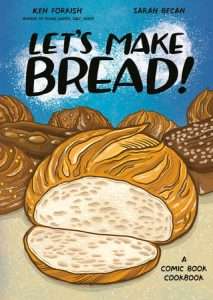 Dumplings! and Let’s Make Ramen! Personally, the fusion of graphic novels and cookbooks hits all of my nerd buttons.
 The magical realism of anime meets the enchanting wonder of Disney in Academy Award nominated director Mamoru Hosoda’s (The Girl Who Leapt through Time, Mirai) mesmerizing virtual world fantasy that echoes Beauty and the Beast. The tagline of this fantasy thriller states, “You can’t start over in reality, but you can start over in U,” prepping viewers to delve into this alternate reality where the inhabitants adopt identities that mask their true personas, yet draws out their hidden strengths.


 By the time Dragon Ball Super finished its televised seasons in 2018, it had set up some enormous dangling plot threads, among them the existence of green-haired “berserker Saiyans” whose power levels rivaled that of Goku and Vegeta at the height of their rainbow-haired transformations. Fans of the Dragon Ball franchise immediately recognized this easter egg as an open teaser for the appearance of the green-haired Broly. Formerly a villain contained to three non-canon movies, Broly was set to arrive in his own movie overseen by series creator Akira Toriyama. Does it live up to the standard set by previous Dragon Ball Super movies Battle of Gods and Resurrection F?


